
Top-Rated Products For Residential Indoor Air Testing
Compare popular air testing options designed to detect pollutants and improve the air quality within your home.
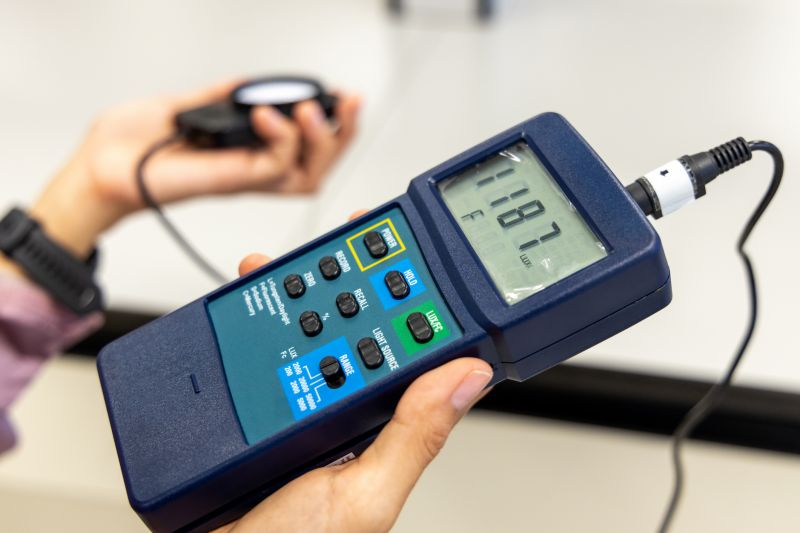 Residential air testing products are essential tools for assessing indoor air quality and identifying potential contaminants or pollutants within a home environment. These products can detect a range of airborne substances, including mold spores, volatile organic compounds (VOCs), allergens, and particulate matter. Proper testing can help homeowners understand the quality of their indoor air and determine if further action or remediation is necessary. Many testing kits are designed for ease of use, allowing individuals to conduct preliminary assessments without professional assistance. However, interpreting results accurately often requires understanding the specific substances being tested for and the limitations of each testing method.
Top Overall Option
Comprehensive Indoor Air Quality Testing Kit
This versatile testing kit offers multiple sampling options to detect common indoor air pollutants such as mold spores, VOCs, and particulate matter. It includes detailed instructions for sample collection and provides laboratory analysis services for accurate results. Suitable for homeowners seeking an all-in-one solution, it helps users understand their indoor air quality with minimal technical knowledge required.
Types of Products For Residential Air Testings
Passive Air Sampling Devices
Collect airborne particles and gases over time for laboratory analysis, offering a comprehensive view of indoor air quality.
Active Air Samplers
Use pumps to actively draw air through collection media, providing quicker results for specific pollutants.
Electronic VOC Detectors
Real-time sensors that detect and measure volatile organic compounds instantly, ideal for ongoing monitoring.
Mold Test Kits
Designed to detect mold spores or mold DNA in the air, useful for identifying potential mold issues.
Particulate Matter Monitors
Measure levels of dust, allergens, and other fine particles suspended in the air.
Formaldehyde Test Kits
Specifically designed to detect formaldehyde levels, a common indoor pollutant.
Radon Test Devices
Detect radon gas concentrations, which can accumulate indoors and pose health concerns.
Air Quality Monitors with Smartphone Connectivity
Provide real-time data and alerts via smartphone apps for continuous indoor air quality tracking.
Particulate Counter Devices
Quantify the concentration of airborne particles with digital readouts for detailed analysis.
Chemical Sensor Arrays
Detect multiple airborne chemicals simultaneously, offering broad-spectrum air quality insights.
Popular Choices
Simple kits for testing common indoor pollutants like mold, VOCs, and dust, suitable for quick assessments.
Portable devices that provide instant readings of VOC levels, useful for spot checks.
Affordable and easy-to-use kits for measuring radon levels over a specified period.
Devices that track various pollutants such as particulate matter, VOCs, and humidity levels in real time.
User-friendly kits for detecting mold presence in the air or on surfaces.
Compact devices measuring fine particles, ideal for ongoing indoor air quality monitoring.
Specific kits for assessing formaldehyde levels in indoor environments.
Connects to smartphones for continuous monitoring and alerts for indoor air quality issues.
Detect multiple airborne chemicals for a broader understanding of indoor pollutants.
Air testing products come in various forms, such as passive sample collection devices, active air samplers, and electronic detection instruments. Passive samplers typically collect samples over a period, which are then analyzed in a laboratory for detailed results. Active air samplers use pumps to draw air through filters or collection media, providing quicker insights. Electronic detectors, on the other hand, use sensors to provide real-time readings of specific pollutants, making them suitable for ongoing monitoring or immediate assessment. Selecting the right product depends on the specific concerns, the level of detail needed, and the user's familiarity with testing procedures.
When choosing air testing products, it is important to consider their sensitivity, detection limits, and whether they are capable of identifying the specific contaminants of concern. Some products are designed for professional use and may require specialized knowledge to operate and interpret. Others are user-friendly kits suitable for homeowners. Additionally, the cost, ease of use, and the availability of laboratory analysis services can influence the decision-making process. Proper storage and handling of test kits, as well as understanding the testing timeline, are also crucial to obtaining accurate and meaningful results.
Overall, investing in the right residential air testing products can provide valuable insights into indoor air quality. While no single product can guarantee comprehensive detection of all airborne pollutants, a combination of testing methods can help build a clearer picture of indoor environmental health. Regular testing, especially in homes with known issues or after renovations, can be a proactive step toward maintaining a healthier living space.
Key Buying Considerations
- Identify the specific pollutants or concerns you want to test for, such as mold, VOCs, or radon.
- Determine whether you prefer a passive or active sampling method based on your needs for speed and detail.
- Check the detection limits and sensitivity of the product to ensure it meets your requirements.
- Consider whether the product provides real-time data or requires laboratory analysis.
- Assess ease of use, especially if you plan to conduct tests without professional assistance.
- Review the availability of laboratory services for analyzing collected samples if applicable.
- Evaluate the cost of the testing kit and any additional fees for analysis or reports.
- Look for products with clear instructions and support resources to facilitate proper sample collection.
- Determine if the device or kit offers continuous monitoring or one-time testing options.
- Consider the size, portability, and storage requirements of the testing device or kit.
- Research product reviews and user feedback for insights into reliability and accuracy.
- Verify the testing timeframe from sample collection to receiving results.
- Ensure the product complies with relevant safety and quality standards.
- Think about whether the product allows for multiple tests over time to monitor changes.
- Check if the product includes comprehensive instructions on interpreting results.
This content contains affiliate links. We may earn a commission if you make a purchase through these links, at no additional cost to you.