Residential Air Testing Services Overview
Visitors can learn about residential air testing services and compare local contractors who handle indoor air quality assessments.
- - Residential homeowners seeking to ensure indoor air quality through professional testing services.
- - Property managers and landlords needing reliable air testing to maintain safe living environments.
- - Individuals preparing for home inspections or health assessments requiring accurate air quality evaluations.
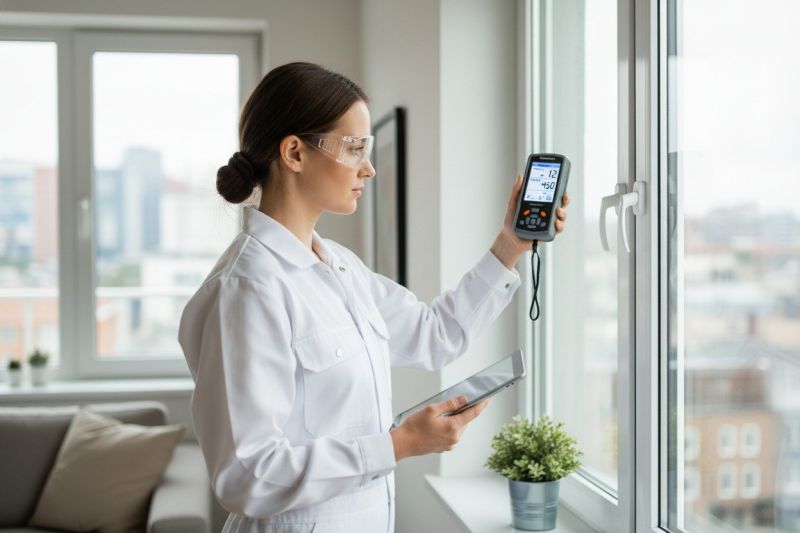
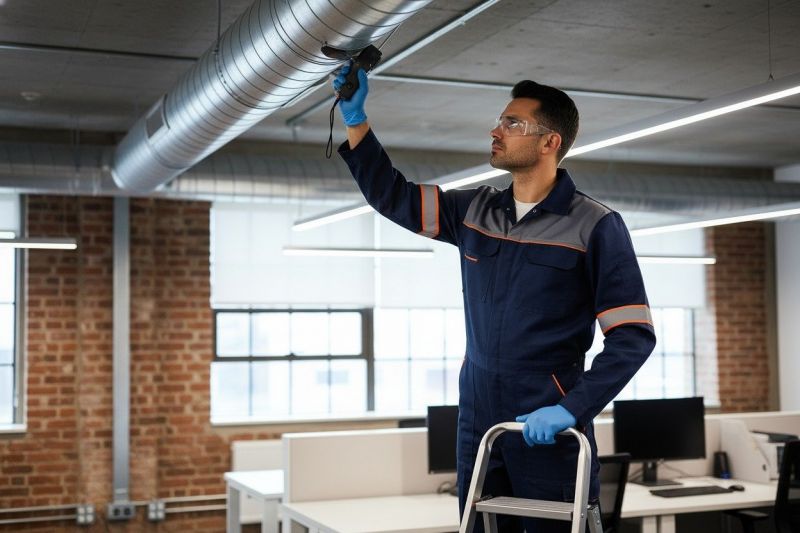
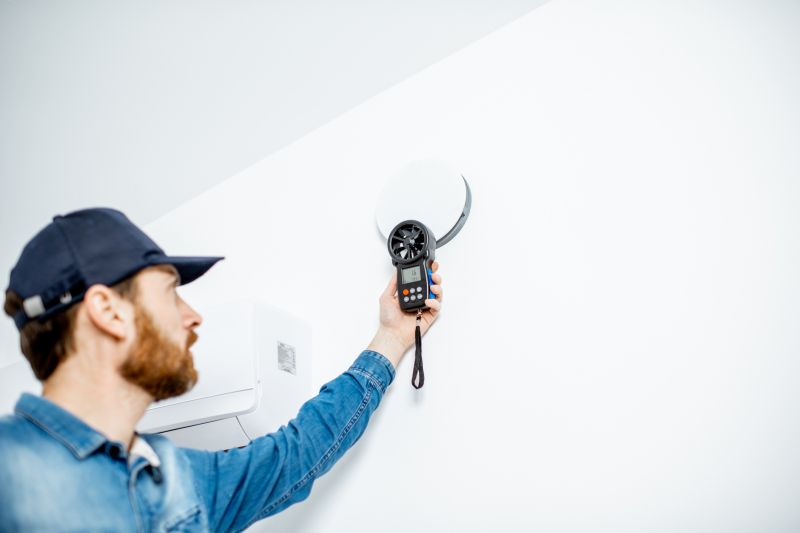
Residential air testing services involve assessing indoor air quality to identify potential issues such as mold, allergens, or other airborne contaminants. Homeowners and property managers often seek these services when experiencing unexplained health symptoms, musty odors, or signs of moisture problems. Local contractors specializing in air testing use specialized equipment to evaluate air samples and detect potential sources of indoor air pollution, helping property owners make informed decisions about necessary repairs or improvements.
These services are typically provided by experienced local professionals who understand the specific needs of residential properties. When searching for air testing, property owners can expect to work with contractors who perform thorough assessments, explain their findings clearly, and recommend appropriate next steps. Connecting with trusted local service providers makes it easier to compare options and find the right experts to address indoor air quality concerns effectively.
This guide provides helpful information to understand residential air testing services and what to consider when choosing a provider. It assists in comparing local contractors and understanding the basics of the work involved. The goal is to help visitors make informed decisions and connect with qualified local service providers.