Optimal Timing for Residential Air Testing
Residential air testing is most effective when conducted during specific times to ensure accurate results and optimal indoor air quality assessment. The timing of testing can influence the detection of airborne pollutants, mold spores, and other contaminants. Proper scheduling helps identify issues related to seasonal changes, occupancy patterns, and environmental conditions.
Spring is ideal for air testing as it captures airborne allergens and mold spores that become prevalent during this season due to increased humidity and pollen.
Fall testing helps detect mold growth and indoor air quality issues caused by seasonal changes and increased indoor activity during colder months.
Conduct testing after mold remediation or air quality improvements to verify the effectiveness of cleaning and treatment processes.
Testing prior to renovations can identify existing air quality issues and prevent the spread of contaminants during construction.
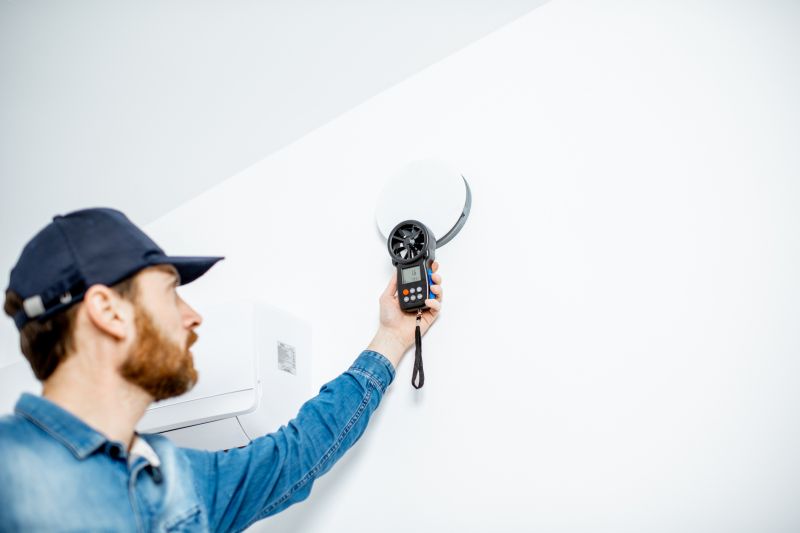
Ways to make Residential Air Testings work in tight or awkward layouts.
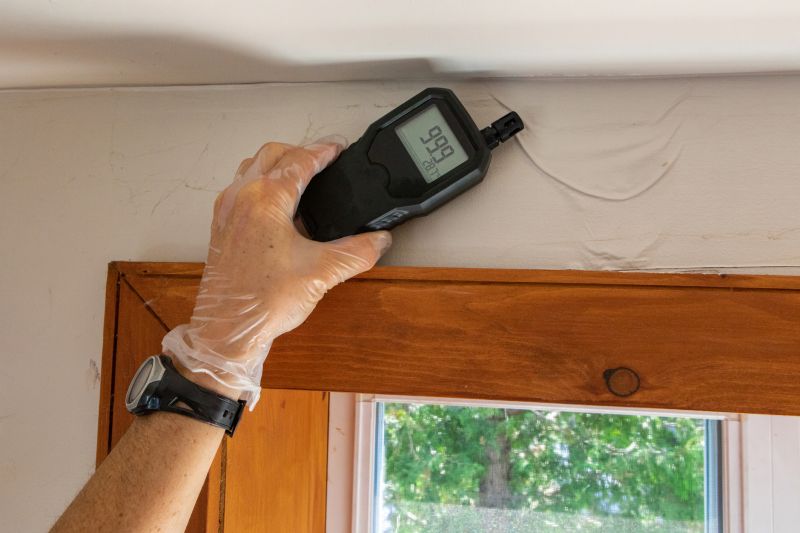
Popular materials for Residential Air Testings and why they hold up over time.
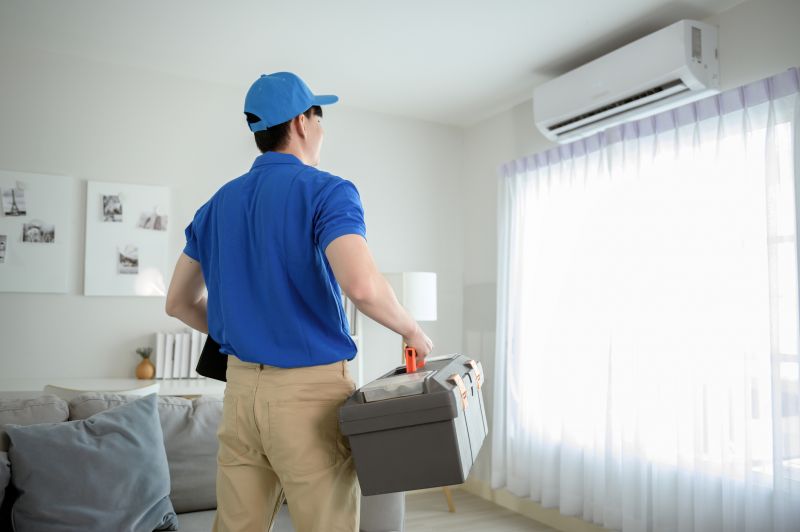
Simple add-ons that improve Residential Air Testings without blowing the budget.
High-end options that actually feel worth it for Residential Air Testings.
Finishes and colors that play nicely with Residential Air Testings.

Little measurements that prevent headaches on Residential Air Testings day.
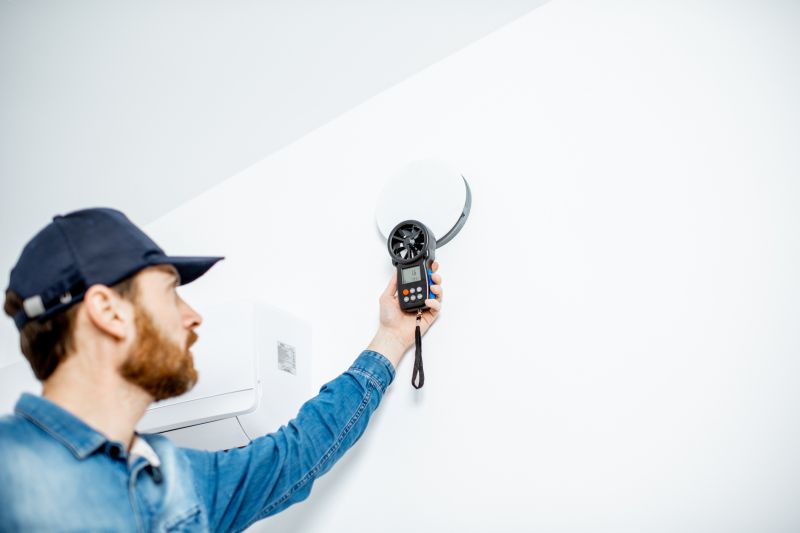
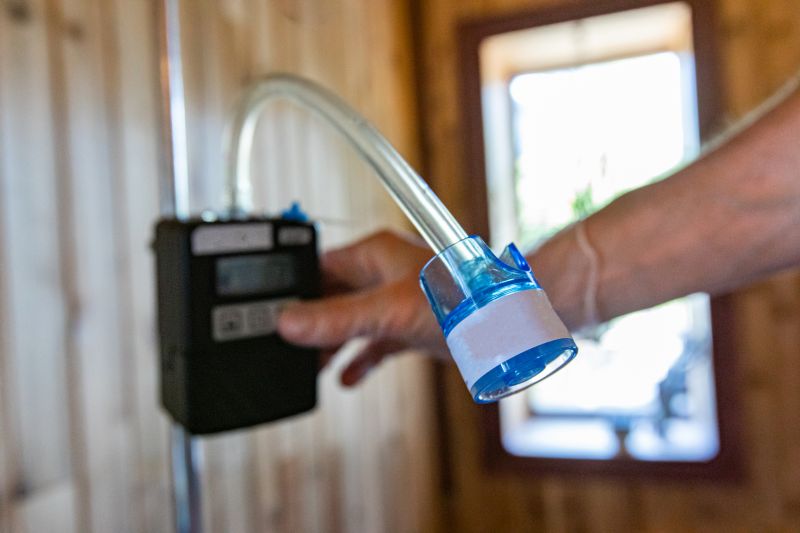
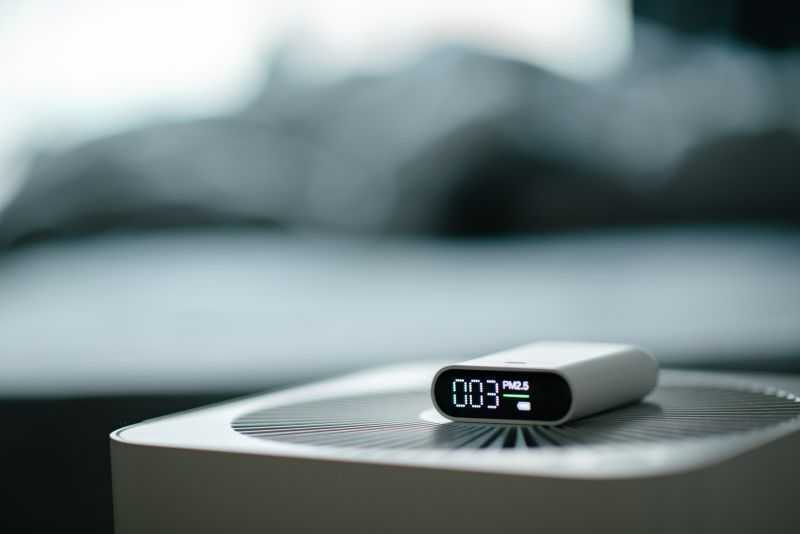
Residential air testing involves analyzing indoor air for pollutants, allergens, and mold spores that can affect health and comfort. These tests provide valuable insights into indoor air quality, helping homeowners identify sources of contamination and take appropriate actions. Regular testing can detect issues early, preventing long-term health problems and ensuring a safe living environment.
A 60-second routine that keeps Residential Air Testings looking new.
A frequent mistake in Residential Air Testings and how to dodge it.
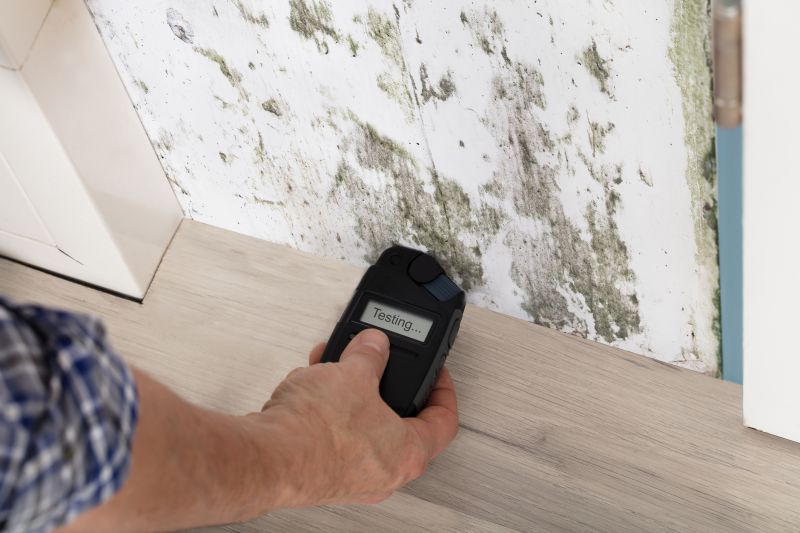
Small tweaks to make Residential Air Testings safer and easier to use.
Lower-waste or water-saving choices for Residential Air Testings.
| Season/Timing | Ideal Testing Focus |
|---|---|
| Spring | Allergens, mold spores, pollen |
| Fall | Mold growth, indoor pollutants |
| Post-Remediation | Effectiveness of cleaning |
| Before Renovations | Existing air quality issues |
| During Occupancy | Ongoing air quality monitoring |
| Winter | Heating-related pollutants |
| Summer | Humidity-related mold issues |
Choosing the right time for residential air testing ensures accurate detection of airborne contaminants and helps maintain a healthy indoor environment. Seasonal variations and occupancy levels influence the presence of pollutants, making timing a key factor in effective testing. Regular assessments provide ongoing insights into indoor air quality, supporting proactive management of potential issues.
Interested in scheduling residential air testing? Filling out the contact form provides an opportunity to discuss specific needs and determine the best timing for testing to ensure optimal indoor air quality and safety.