Residential Air Testing Cost Overview
Understanding the factors that influence the cost of residential air testing is essential for homeowners seeking accurate assessments of indoor air quality and potential issues. This page provides a detailed overview of the key elements that impact pricing, along with comparative service costs.
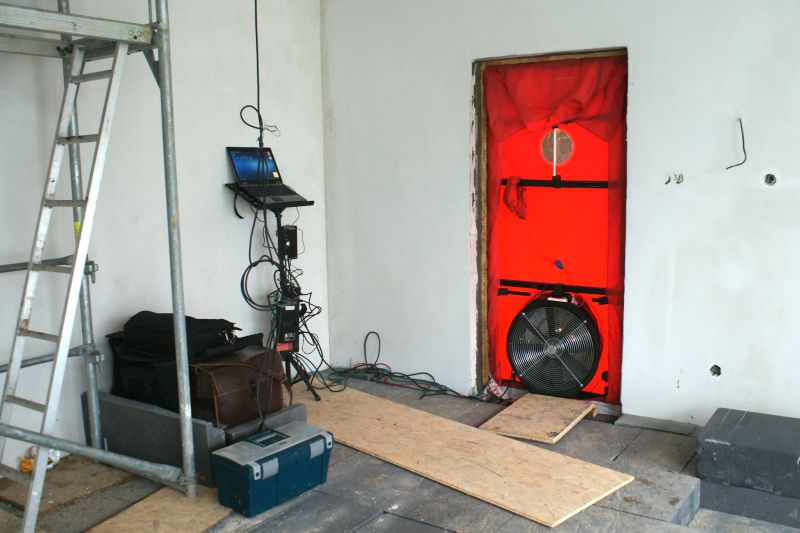
Larger homes typically require more testing equipment and time, which can increase overall costs.
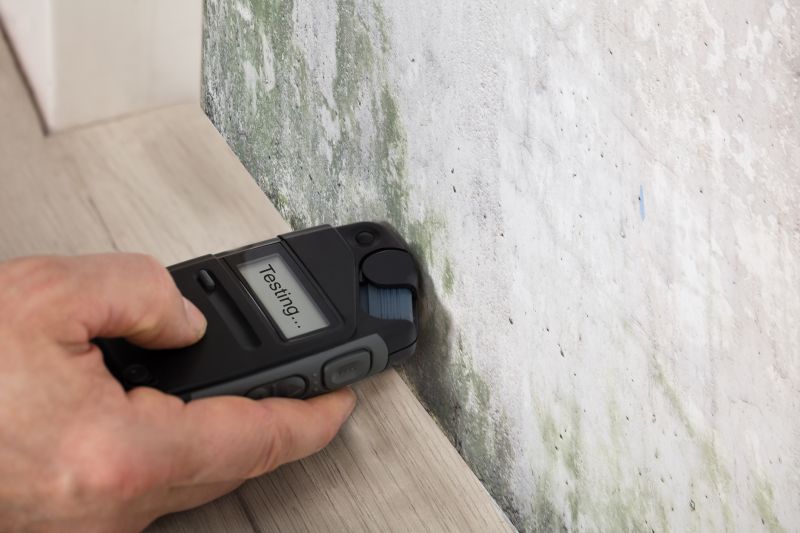
Different testing methods, such as mold, mold spore counts, or VOC testing, vary in complexity and price.
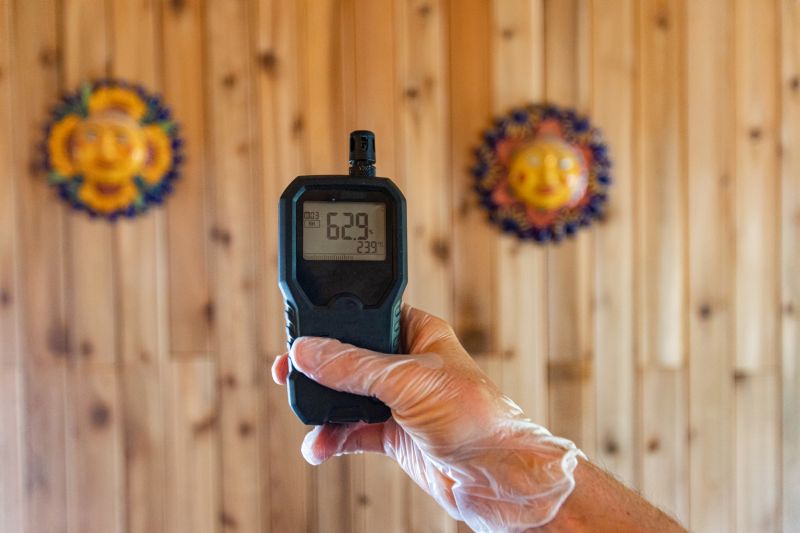
Hard-to-reach or restricted areas may add to labor time and expenses.
| Factor | Influence on Cost |
|---|---|
| Property Size | Larger homes increase testing duration and equipment needs. |
| Testing Method | Advanced tests like mold spore counting are more costly. |
| Number of Rooms | More rooms require additional sampling and analysis. |
| Accessibility | Hard-to-access areas may incur extra labor charges. |
| Urgency of Testing | Expedited testing services tend to be more expensive. |
| Location | Geographic factors can influence service fees. |
| Labor Intensity | More complex inspections increase overall price. |
The cost of residential air testing can vary significantly based on the scope and complexity of the assessment. Basic tests, such as simple mold spore counts, generally start at a lower price point, while comprehensive evaluations involving multiple testing types and detailed analysis can lead to higher charges. Factors like property size, accessibility, and testing urgency play crucial roles in determining the final cost. Homeowners should consider these elements when budgeting for air quality assessments to ensure thorough and accurate results.
Additional costs may include follow-up testing, detailed reporting, and consultation services. It is advisable to obtain detailed quotes from service providers to understand the full scope of potential expenses. Properly budgeting for these tests ensures that homeowners can address indoor air quality concerns effectively without unexpected financial burdens.
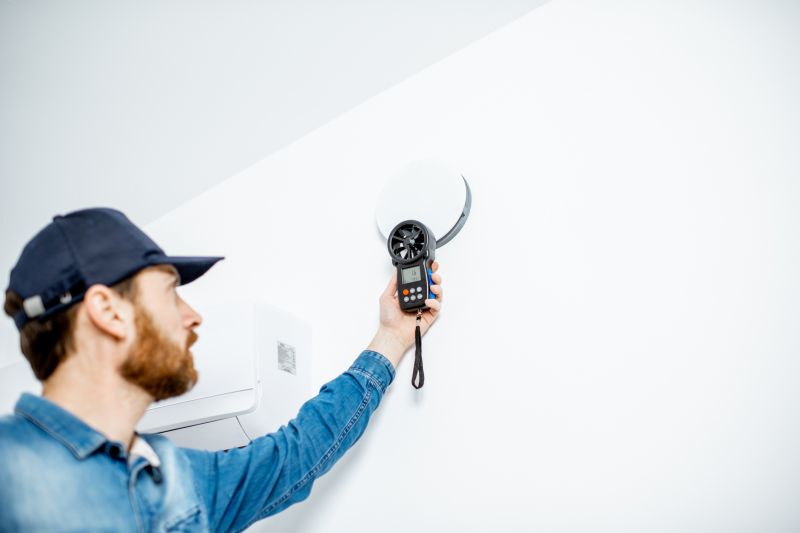
Cost varies based on the sophistication of devices used for testing and monitoring indoor air quality.
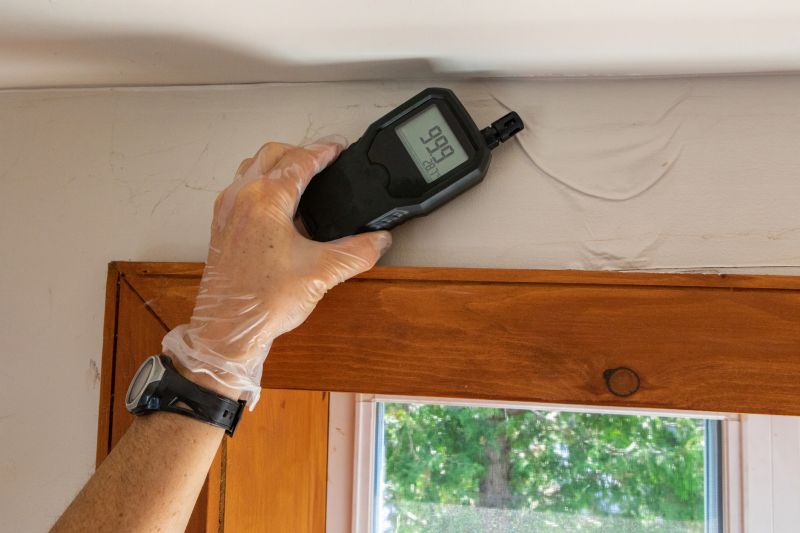
High-precision sampling tools may add to the overall testing expenses.
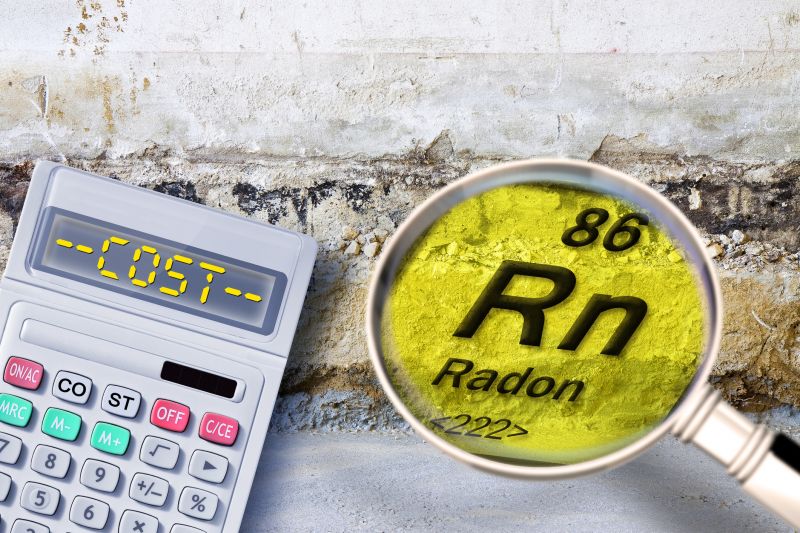
Detailed laboratory analysis and comprehensive reports influence the total cost.
| Service | Average Price Range |
|---|---|
| Basic Air Quality Test | $150 - $300 |
| Mold Spore Count Test | $200 - $400 |
| VOC Test (Volatile Organic Compounds) | $250 - $500 |
| Comprehensive Indoor Air Quality Assessment | $400 - $800 |
| Radon Testing | $100 - $250 |
| Particle Counting | $150 - $350 |
| Post-Remediation Testing | $200 - $600 |
| HVAC System Air Testing | $150 - $400 |
| Asbestos Air Testing | $300 - $700 |
| Lead Dust Testing | $200 - $500 |